As we look ahead to 2026, the whispers about Hogwarts Legacy 2 are growing louder in the halls of gaming. Following the monumental success of the 2023 bestseller, Avalanche Software has a unique opportunity. They could play it safe, delivering a comfortable but familiar sequel. But I believe the true magic lies elsewhere—in daring to innovate, particularly where the heart of any great tale beats: its story and characters. The first game gave us a wonderful world to explore, but if I'm being honest, its narrative sometimes felt like a well-rehearsed charm—reliable but lacking a certain spark. The sequel needs to brew a more potent potion, and it might just start with reimagining the classic mentor figure.
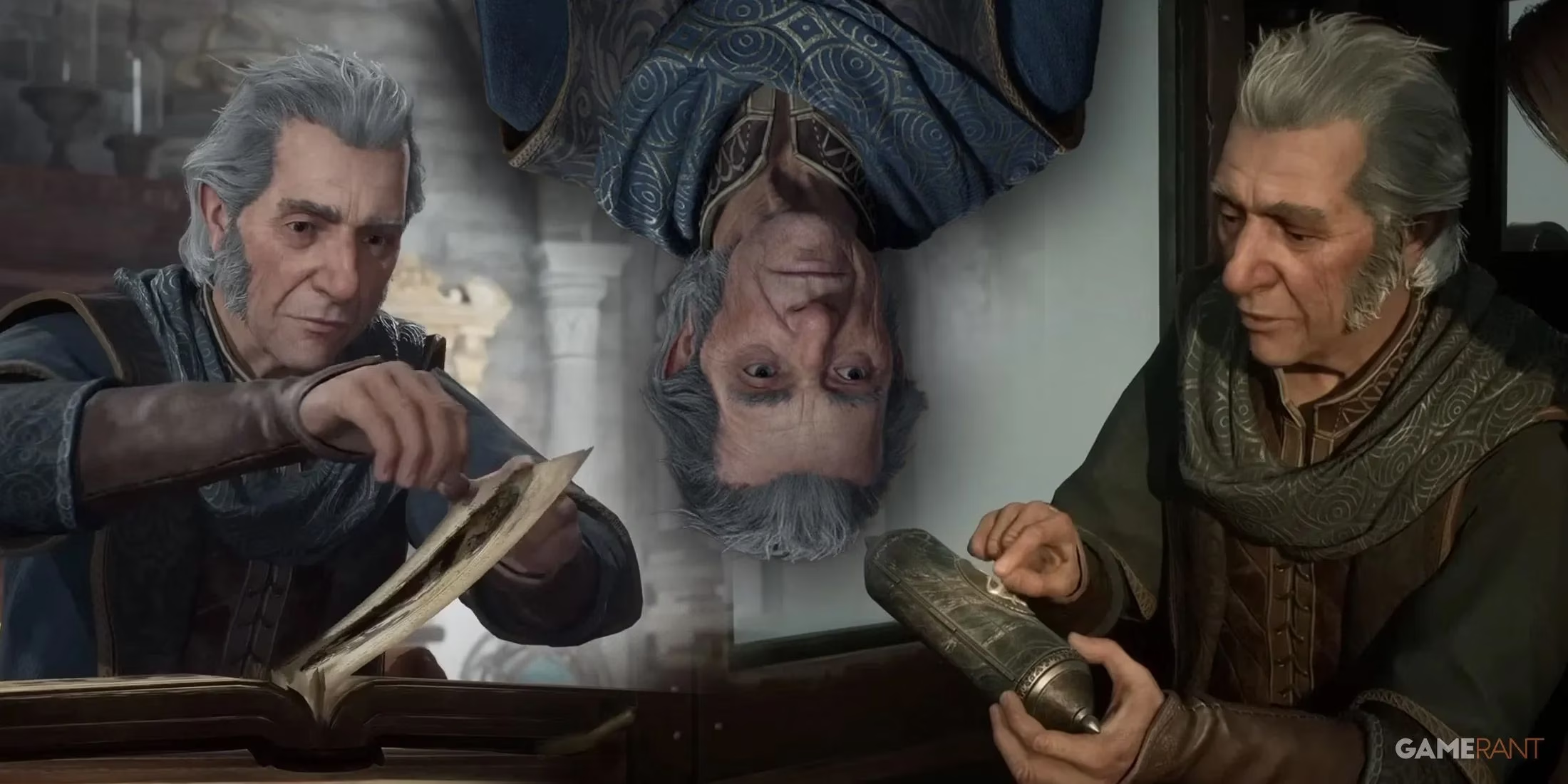
The Perfunctory Professor: Where the First Game's Story Lacked Bite
Let's talk about Professor Fig. Bless him, he was the epitome of a kindly Hogwarts teacher: wise, gentle, and about as controversial as a cup of warm pumpkin juice. He was likable, sure, but interesting? Not so much. Playing the first game, I often felt he was less a character and more a... narrative GPS. He'd pop up, point me toward the next plot point with a paternal smile, and then vanish until the story needed him again. It made the whole student-mentor dynamic feel, well, a bit toothless.
Comparing it to the Harry Potter books, the difference is stark. Harry's relationships with adults like Dumbledore or Snape were textured, complex, and full of unspoken tensions. In Hogwarts Legacy, most characters, even the more complicated ones like Sebastian Sallow, felt defined by a single, clear-cut motivation. In real life, people are messier, you know? They're a mix of good intentions, personal baggage, and conflicting desires. The game's world was magical, but its characters often lacked that crucial human complexity.
Brewing a Better Mentor: Lessons from Snape, Not Just Dumbledore
Since our protagonist in Hogwarts Legacy 2 will likely be a student once more, a new mentor is inevitable. Another purely benevolent guide like Fig would feel like a missed opportunity—a bit bland, like eating the same Every Flavour Bean every day. What if, instead, we got a mentor who wasn't so thrilled to have us?
Imagine a dynamic more akin to Harry and Severus Snape: fraught with skepticism, simmering resentment, or even outright hostility. This wouldn't just be for drama's sake. It would fundamentally change the story's flavor.
-
It Creates Real Narrative Tension: The conflict wouldn't just be 'out there' with goblins or dark wizards. It would be in the classroom, in the hallway, a personal struggle right under your nose.
-
It Deepens the Protagonist's Journey: Instead of being the universally adored 'Chosen One,' you'd have to earn respect, navigate distrust, and overcome a very personal emotional hurdle. That's a story I'd want to play.
-
It Honors the Source Material's Spirit: A core theme of Harry Potter is the struggle between young heroes and the authority figures around them. Reintroducing this inherent friction would make the wizarding world feel more authentic and alive.
The Ripple Effect: How a Complex Mentor Transforms the Experience
Introducing a less friendly mentor wouldn't just improve cutscenes; it would reshape the entire academic and emotional experience of being a Hogwarts student.
| Aspect of the Game | With a 'Fig-like' Mentor | With a 'Snape-like' Mentor |
|---|---|---|
| Quest Motivation | "The professor needs your help for the greater good." | "Prove your worth to someone who doubts you." |
| Emotional Stakes | Low to moderate; external threats are primary. | High and personal; your pride and reputation are on the line. |
| Character Growth | Linear progression of power and knowledge. | Nuanced growth involving perseverance, understanding, and diplomacy. |
| World Feel | Hogwarts is a supportive sanctuary. | Hogwarts is a real school with challenging, flawed adults. |
Suddenly, attending classes isn't just about learning Wingardium Leviosa; it's about enduring the stern gaze of a professor who thinks you're a liability. Seeking their help for a side quest becomes a negotiation, not a given. This layer of interpersonal conflict would make every interaction richer. It would give our silent protagonist more reasons to feel—frustration, determination, maybe even a grudging respect that turns into something profound. The first game missed that personal struggle, and filling that void could be the sequel's masterstroke.
Look, the castle is breathtaking, the magic is fun to cast, but a world is only as compelling as the people in it. By giving us a mentor who challenges us as much as they teach us, Hogwarts Legacy 2 could do more than just let us visit the wizarding world. It could make us truly live a difficult, rewarding, and emotionally resonant story within it. That's the kind of magic that lasts long after the controller is put down. The potential is all there, simmering in the cauldron... they just need the courage to add the final, unexpected ingredient. ✨
Comments