I still remember watching the pre-release footage for Marvel’s Spider-Man 2 and feeling that Insomniac Games understood something simple: a sequel does not have to be a reset. In 2026, looking back, that approach looks even smarter. The game launched on October 20, 2023, exclusively for PS5, and it built on the first title instead of tossing out its best ideas. It kept the familiar New York playground, added new areas, layered in fresh abilities and missions, and made character switching a headline feature. The core loop still felt like Spider-Man. That is exactly the kind of sequel strategy I want Avalanche Software to consider for a Hogwarts Legacy follow-up.

The Sequel Philosophy I Want to See
From my perspective, Marvel’s Spider-Man 2 is a strong example of a sequel that respects its foundation. Insomniac did not drag players to a brand-new city or rebuild the combat system from scratch. It expanded the existing world with new districts and scenarios, then sharpened the parts that already worked. New abilities, new missions, and the character-switching mechanic gave players reasons to return without making the previous game feel obsolete.
That is the energy I want from a Hogwarts Legacy sequel. I do not need a total reinvention of the Wizarding World. I want the same castle, the same sense of discovery, and the same spell-driven combat, but with more places to explore and more ways to express my character. A sequel can feel new without becoming unrecognizable.
A Familiar World, Carefully Expanded
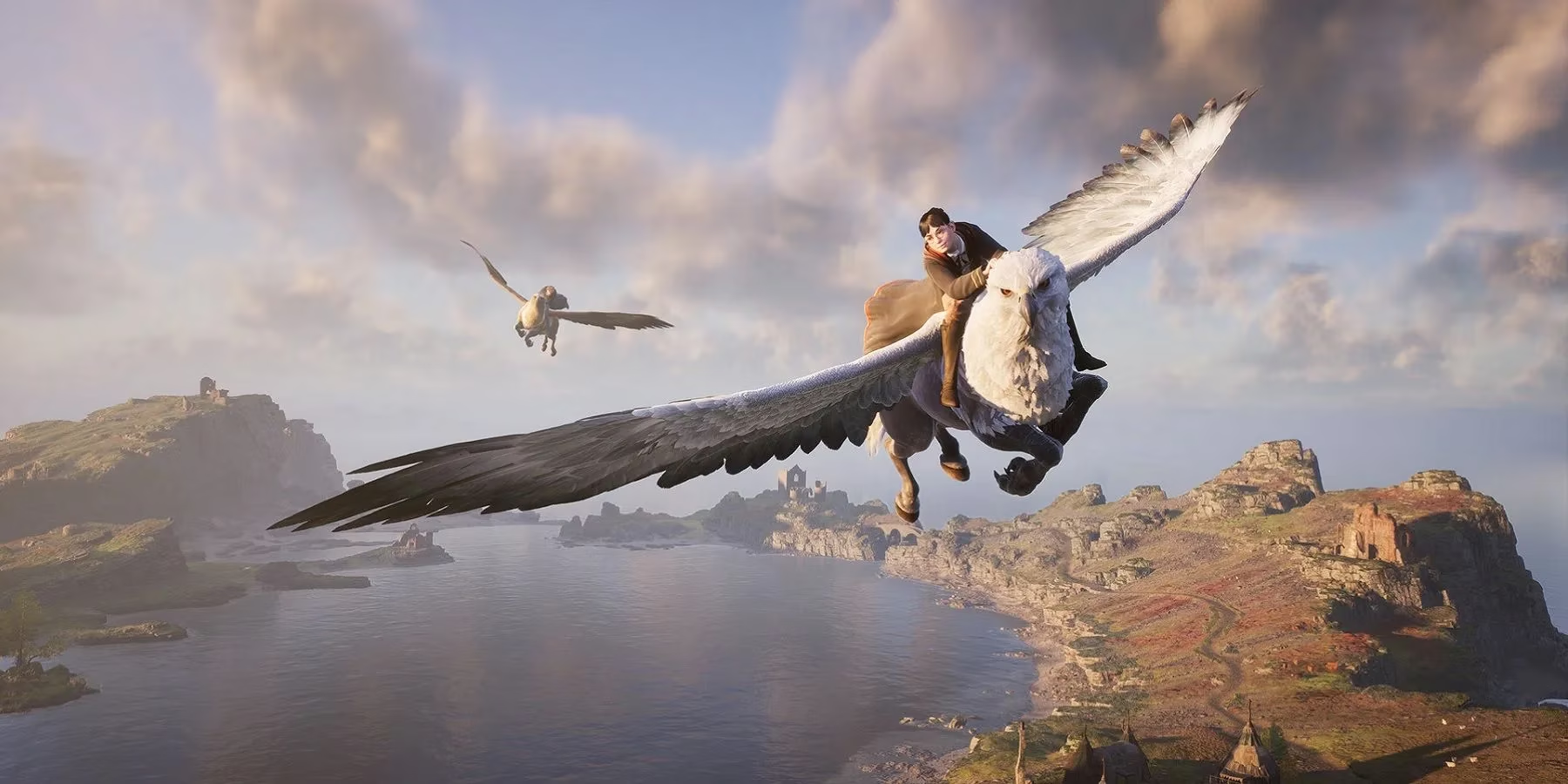
As of 2026, there is still no officially announced Hogwarts Legacy sequel, but the first game’s success makes a follow-up easy to imagine. If Avalanche Software is working on one, I hope it takes the Spider-Man 2 route: keep the open world, then grow it with meaningful new areas. Diagon Alley would be an obvious and exciting addition. More of the surrounding grounds, London, and other lore-friendly locations could make the map feel richer without breaking the fantasy.
This approach has two big advantages for me as a player. First, it lets me revisit a world I already know while still finding fresh secrets. Second, it makes sense within the setting. The Wizarding World is full of connected places, and a sequel does not need to invent a distant continent to justify exploration. A carefully expanded Hogwarts and its surroundings could be more compelling than a completely new map.
| Keep from Hogwarts Legacy | Add or polish in a sequel |
|---|---|
| Castle exploration and secret passages | Diagon Alley, London, and more surrounding grounds |
| Spell-based combat | More spells and new combat items |
| Room of Requirement customization | Deeper customization and new room options |
| Broom and mount flight | Smoother controls and more aerial activities |
Mechanics: Polish, Do Not Reinvent
Hogwarts Legacy’s combat was not revolutionary, but it worked well within its setting. I liked combining spells, managing cooldowns, and using the environment. A sequel should refine that loop rather than replace it. Add more spells, improve enemy variety, and introduce a few new combat items. Polish the flight system so broom and mount travel feel more responsive. Those changes would be enough to make the sequel feel better without alienating players who enjoyed the first game.
This is where the Spider-Man 2 comparison feels especially useful. Insomniac kept the web-swinging and combat foundation, then added new tools and scenarios. It did not need to overhaul everything to make the sequel exciting. Avalanche Software could do the same: keep the core of Hogwarts Legacy, then add new abilities, new missions, and new ways to interact with the world. 🧙♂️✨
Why This Approach Fits the Wizarding World
A Hogwarts Legacy sequel should feel like a return to a beloved place, not a departure from it. The first game already nailed the atmosphere of the castle, the thrill of learning spells, and the joy of discovering hidden rooms. Those elements are the foundation. A sequel can build on them with new areas, richer side stories, and more dynamic magical encounters.
I would also love to see the sequel expand the role-playing side of the experience. More spell combinations, deeper companion interactions, and new activities in familiar locations could make the world feel alive. The goal is not to make a completely different game. The goal is to make the same world feel bigger, deeper, and more responsive.
The Risk, and Why It Is Worth Taking
Some players may criticize a sequel like this for playing it safe. I understand that concern. However, a franchise does not always need a dramatic overhaul. If the story is strong and the new mechanics complement the old ones, then the sequel has done its job. Marvel’s Spider-Man 2 took that bet, and it gave players a familiar but expanded adventure. A Hogwarts Legacy sequel could do the same for the Wizarding World.
In 2026, I want more games to remember that sequels can be evolutions rather than reinventions. Give me the castle I love, add Diagon Alley and more of the grounds, polish the flight and combat, and let me lose myself in magic again. That is a sequel I would return to without hesitation. 🪄🏰
Comments